The pharmaceutical industry has been facing a significant threat: medicine counterfeiting. Almost two billion people in the world lack access to essential medicines and vaccines, creating the ideal conditions for fake pharmaceuticals to thrive. Today, the global counterfeit drug market is estimated to be worth between $200 and $432 billion. This not only undermines the reputation of pharma companies and results in financial loss, but also poses a severe risk to public health. According to the World Health Organisation, around one million people face negative consequences of taking fake drugs annually.
Protecting patients and securing the supply chain against falsifications requires new strategies. That is the goal of industry platforms like PHARMAP 2026, where global experts are gathering to deploy the necessary technologies and find innovative solutions.
What Fuels the Counterfeiting
Fake medicines is a highly lucrative business. In October 2023, Interpol carried out an Operation Pangea XVI, and the value of the products seized was estimated to 7 billion dollars. As Europol notes, counterfeiting pharmaceuticals can be ten times more profitable and far less risky compared to other illegal activities, as penalties are often more lenient.
Another factor making this field more attractive is the difficulty officials face in finding the source. Much of the product is distributed through the internet, which makes it much harder to control counterfeits for a number of reasons.
First, there is a lack of regulatory oversight, as many online pharmacies operate outside the jurisdictions of recognised regulatory authorities. This makes it difficult for agencies to enforce their standards.
The anonymity of online transactions is another significant factor. As it makes it easier for counterfeiters to hide their identities and locations, which in turn becomes a challenge for agencies to identify and apprehend them.
Innovations to Protect Patients
Faced with this growing market, law enforcement, health and pharmaceutical authorities are actively joining forces to develop new strategies to protect patients. This includes serialisation, track-and-trace systems, advanced packaging security and more.
One of such solutions is a product verification service “The Pulse”, developed by the National Association of Boards of Pharmacy. Thanks to this technology a falsified copy of Novo Nordisk’s Ozempic was detected this year. As a result, the investigation was launched and the seller’s licence has been suspended.
For an increasingly digital world, the EU has devised the Digital Services Act (DSA), which entered into force in November 2022 with mandatory compliance for large platforms in 2023. The DSA establishes stricter liability for online marketplaces regarding counterfeit goods. The act requires services to verify seller identities and respond promptly to infringement notices, providing brand owners with stronger tools to combat falsification.
Companies are also rising to the challenge with physical anti-counterfeiting technologies. NanoMatriX has found a solution in their MatriX-Mark™ Taggants invisible marks. This approach uses a special non-toxic pigment to inscribe product identifiers on outer containers, primary packaging or in the product itself. Once the taggant is placed, a specialised sensor is used to accurately recognise and signal its presence.
Another company, successfully helping with counterfeiting, Securikett, has a patented VOID technology with anti-tamper ability. VOIDLabels automatically indicate any opening attempt. When the label is removed from the packaging, it cannot be reapplied unnoticed or reused.
Battling the counterfeiting together
Faced with such a complex challenge, pharma requires a dedicated space to share these solutions. In 2026, Pharmaceutical Manufacturing and Packaging Congress becomes such a platform by uniting the entire supply chain to address these next-gen opportunities and co-create strategies.
The two-day event programme focuses on in-depth expert discussions, including the dedicated Anti-Counterfeiting Panel on the second day. The speakers explore the advancements in serialisation and its implementation, technologies for enhancing product traceability and authentication measures.
The session starts with the presentation of Max Kabalisa, Manager Digitalisation and Traceability at UNICEF. He delves into the strategies against counterfeits and falsification of health products. After that, Nina Zehermaier, Head of Sales from Securikett, shares her expertise in modular security concepts and the benefits of an integrated approach to brand protection. Then follows a real-case study of CRPT Turon. Diyor Rasulev, Chief Development Manager, tackles the digital track and trace solutions in a growing market of Central Asia. Furthermore, Elena Veklenko, Serialisation Lead at Alnylam Pharmaceuticals, is going to provide a critical analysis of the global regulatory updates and their implications for the industry.
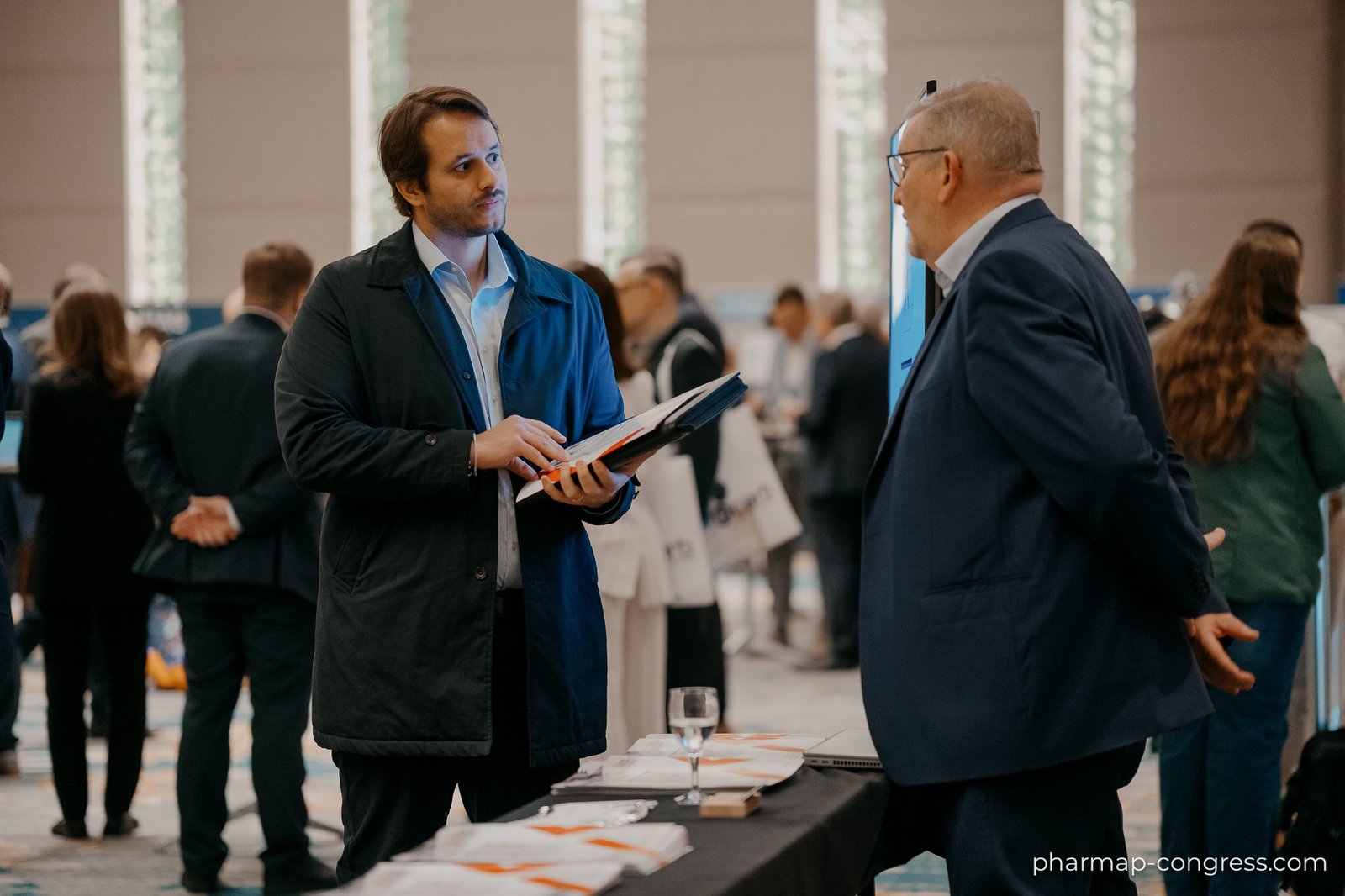
Beyond the focused discussions, the event facilitates direct collaboration through dedicated B2B meetings and showcases of the latest technologies, aimed at counterfeiting. Such a combination of expert insights and hands-on demonstration empowers professionals with both the knowledge and tools to fight fake drugs and build more secure supply chains for the future.
Forging a path to counterfeit-free tomorrow
While the battle against falsification is ongoing, the continuous innovation and shared commitment demonstrated at platforms like PHARMAP 2026 provide a clear path forward. This is evidenced by the projected growth of the global anti-counterfeiting packaging market from $171.51 billion in 2025 to $294.71 billion by 2032 — a massive financial commitment reflecting the industry’s determination. By deploying such traceability technologies and
Vuoi trovare più facilmente MakingPharmaIndustry su Google?
Aggiungici alle tue fonti preferite